Ships Back to Resources page

Matthew Flinders's ships, 1795–1803

Reliance

Reliance

Royal Navy ship, colonial transport (1795-1800)

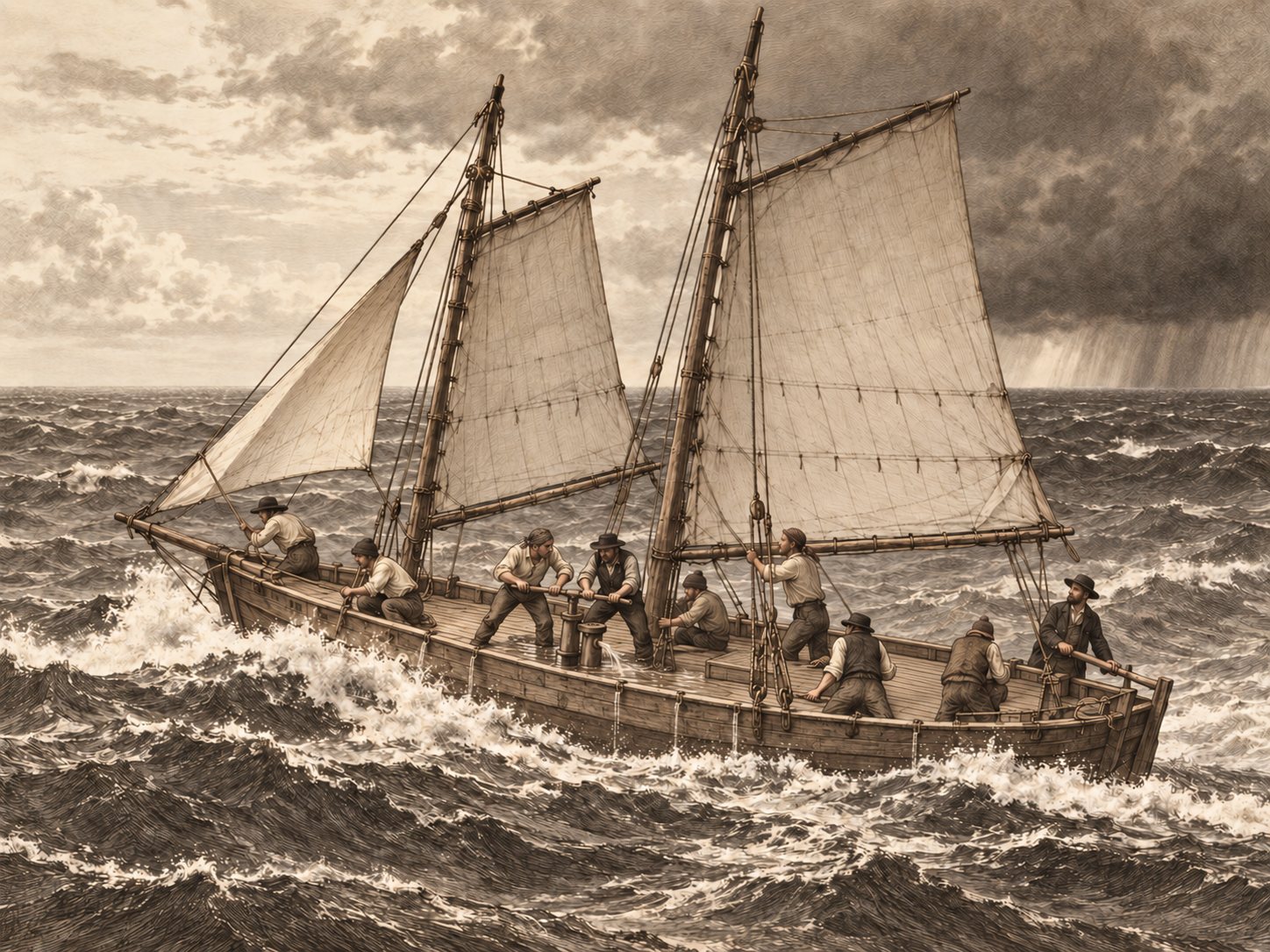
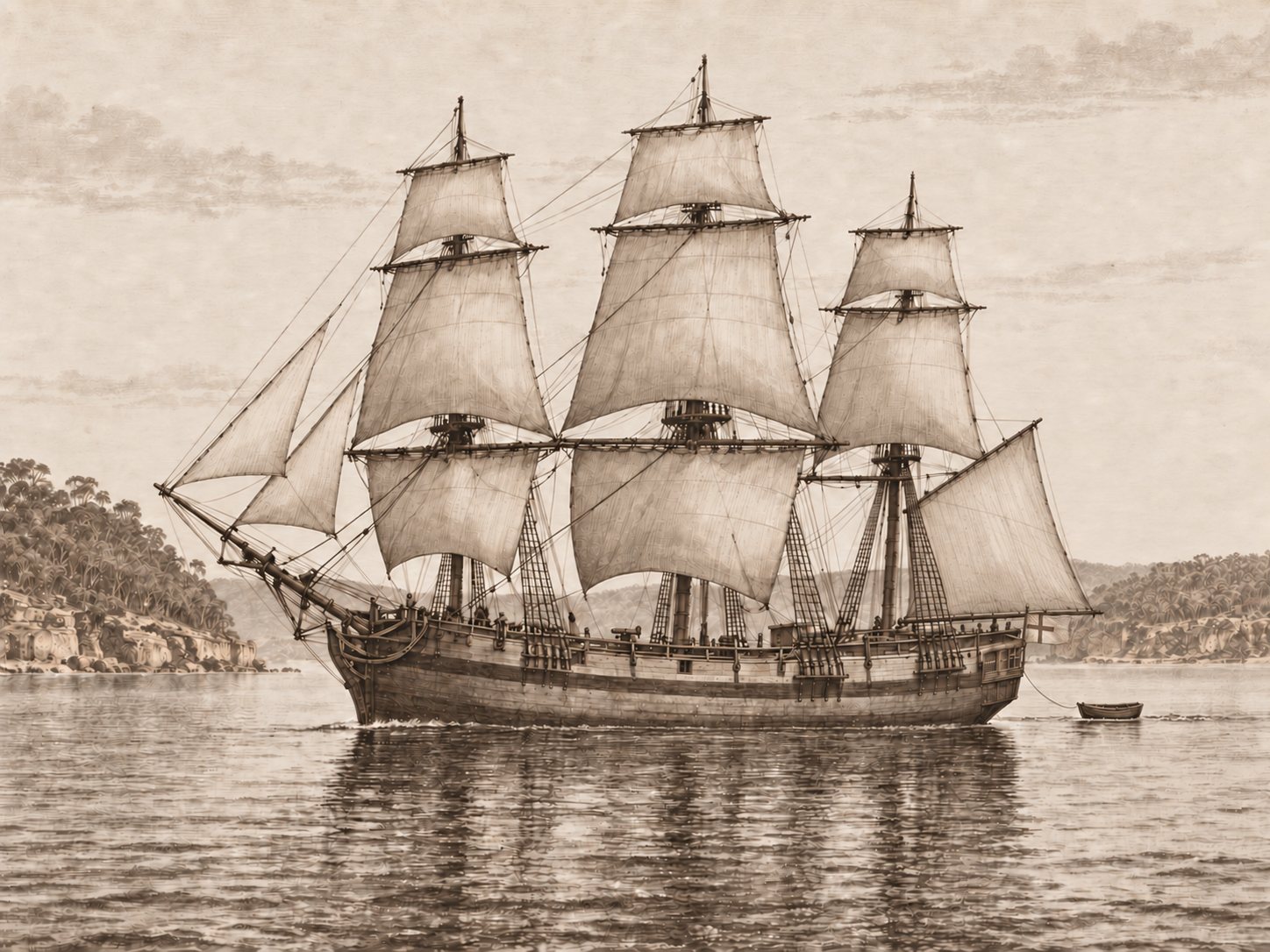
The Reliance left England in February 1795 carrying the new governor of New South Wales, John Hunter, the surgeon George Bass and the midshipman Matthew Flinders. She reached Port Jackson in September 1795.

The ship then served to supply the colony, notably from the Cape of Good Hope, whence she brought back livestock. On board her, in 1799, was born Trim, the cat who would follow Flinders on all his voyages. The Reliance carried Flinders back to England in 1800.
Tom Thumb

Tom Thumb I and II

Eight-foot boats (1795-1796)

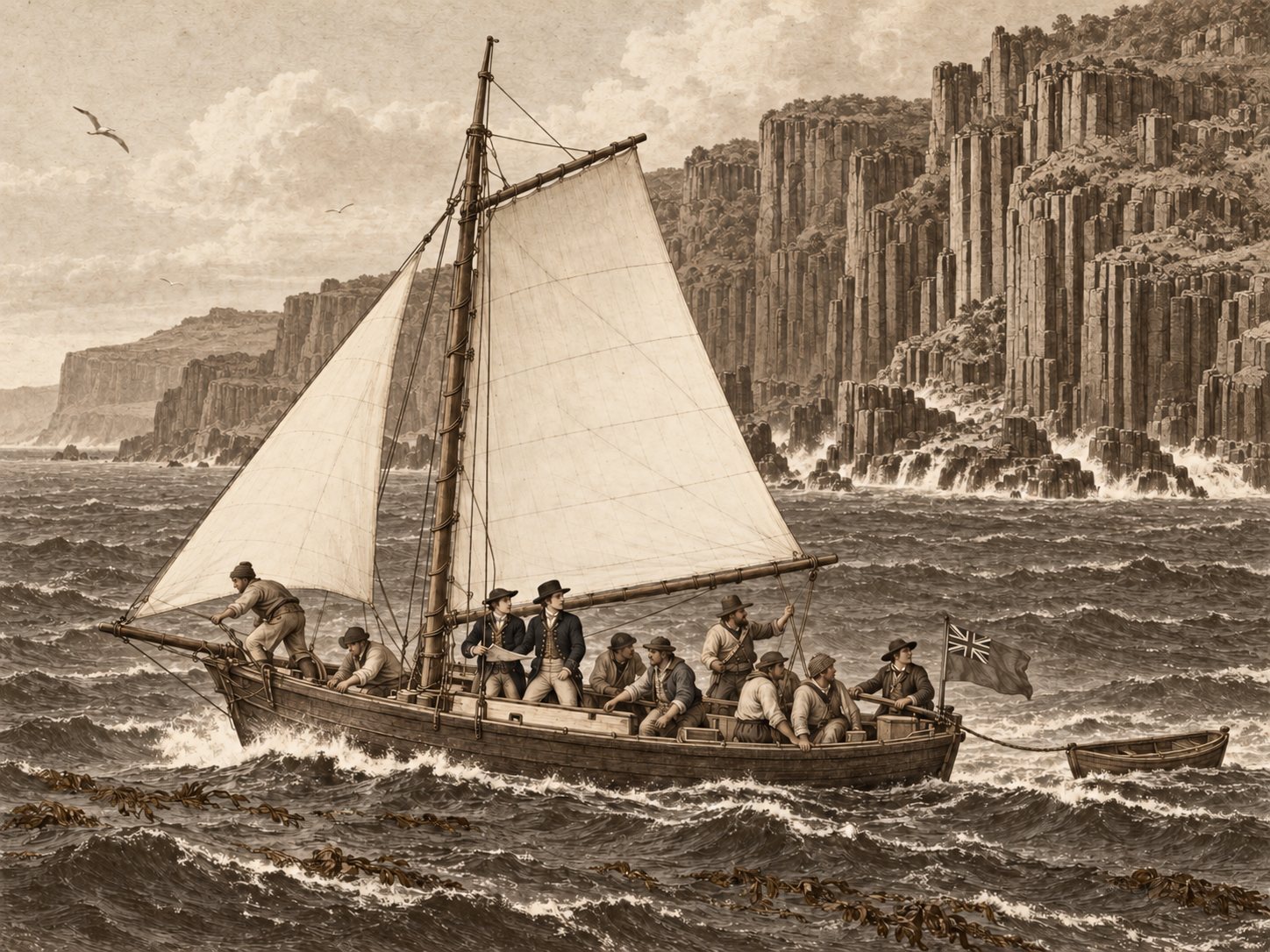
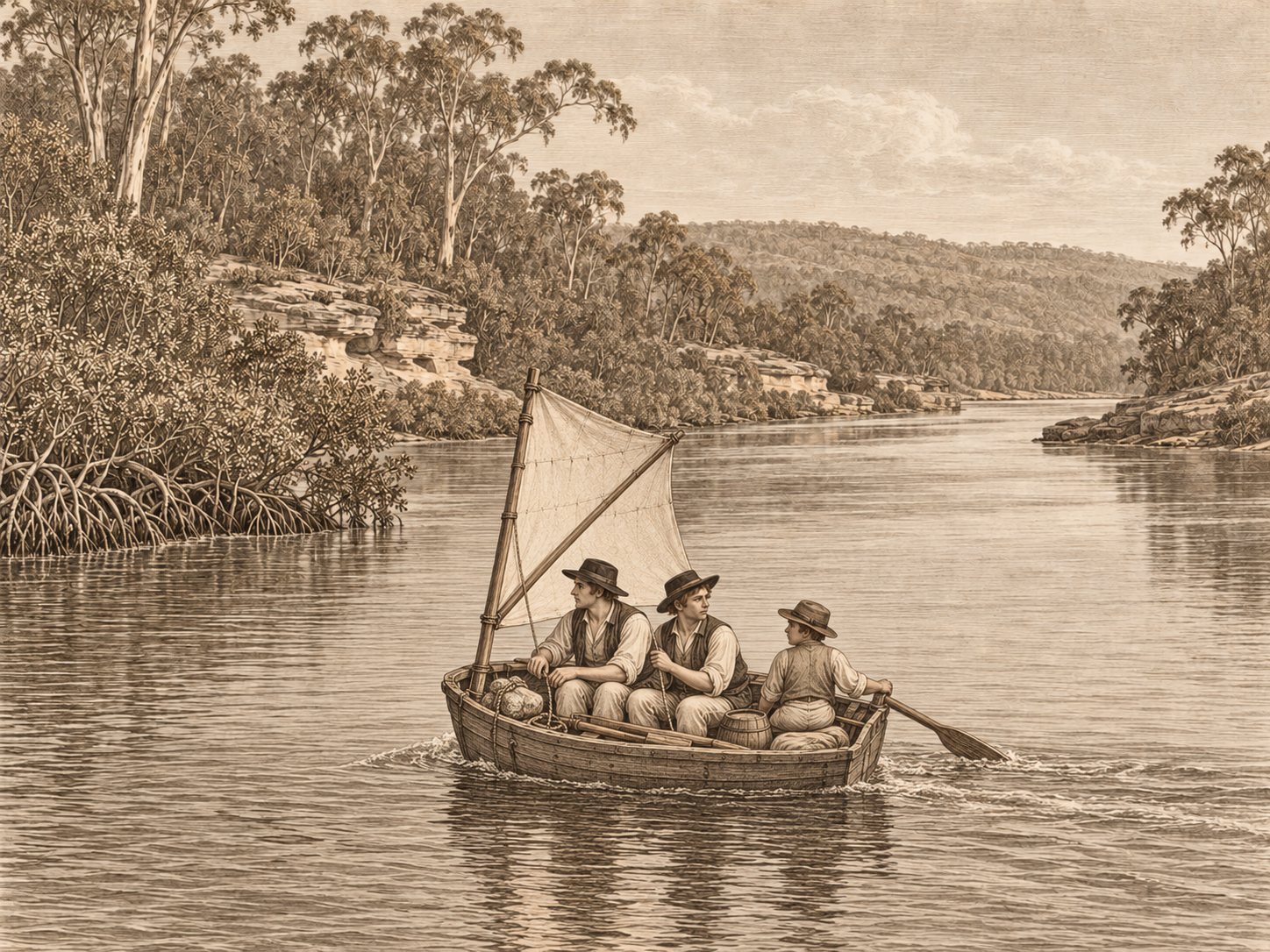
The first Tom Thumb was a boat with a keel barely eight feet long that George Bass had brought from England. In October 1795 Bass, Flinders and a boy, William Martin, used her to explore Botany Bay and run up the Georges River.

In March 1796, in a second boat scarcely larger, the same three followed the coast south of Sydney. Caught in a gale, they found shelter in a cove they named Providence Cove, today Wattamolla, and reached Lake Illawarra. Five names date from these surveys.

Francis

Francis

Colonial schooner of Port Jackson (1798)

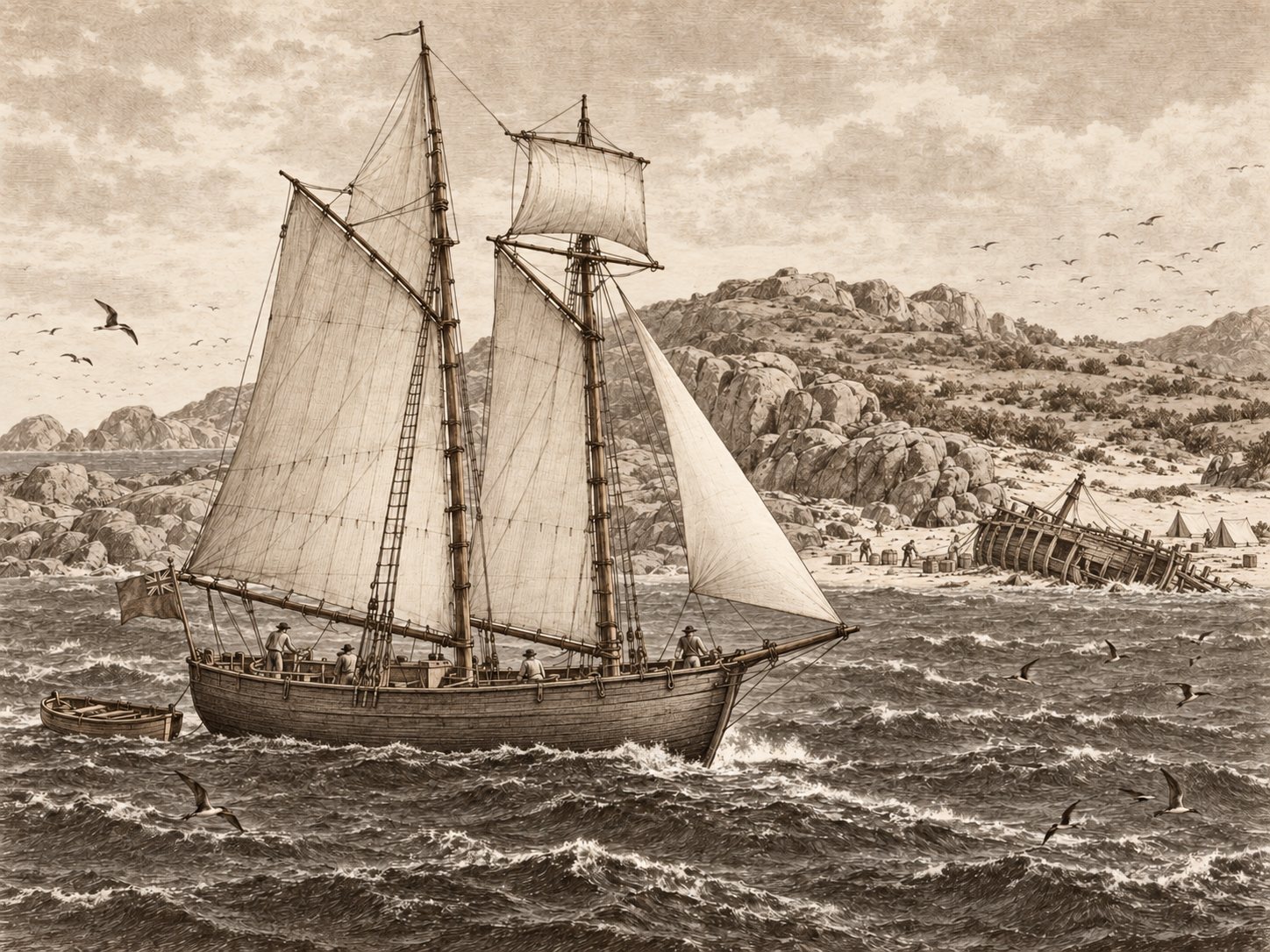
A small schooner in the colony's service, assembled at Sydney from parts brought out from England, the Francis was sent in February 1798 to the Furneaux Islands, north-east of Van Diemen's Land, to rescue the castaways of the Sydney Cove and salvage her cargo.

Flinders, aboard for the occasion, used the call to survey part of the group. Fourteen names in the Furneaux Islands come from this campaign. His observations of the tides strengthened the case for a strait south of the mainland.

Norfolk

Norfolk

25-ton sloop built on Norfolk Island (1798-1799)

Built in 1798 on Norfolk Island from the island's pine, this sloop of some 25 tons was entrusted to Flinders by Governor Hunter. From October 1798 to January 1799, with George Bass and eight volunteer seamen, Flinders sailed round Van Diemen's Land and established the existence of Bass Strait.

In July and August 1799 the Norfolk ran north to Moreton Bay and Hervey Bay, with Bungaree aboard. Some seventy-five names, in Tasmania and on the Queensland coast, date from the Norfolk's campaigns.

Investigator

Investigator

Former collier, 334-ton sloop of discovery (1801-1803)

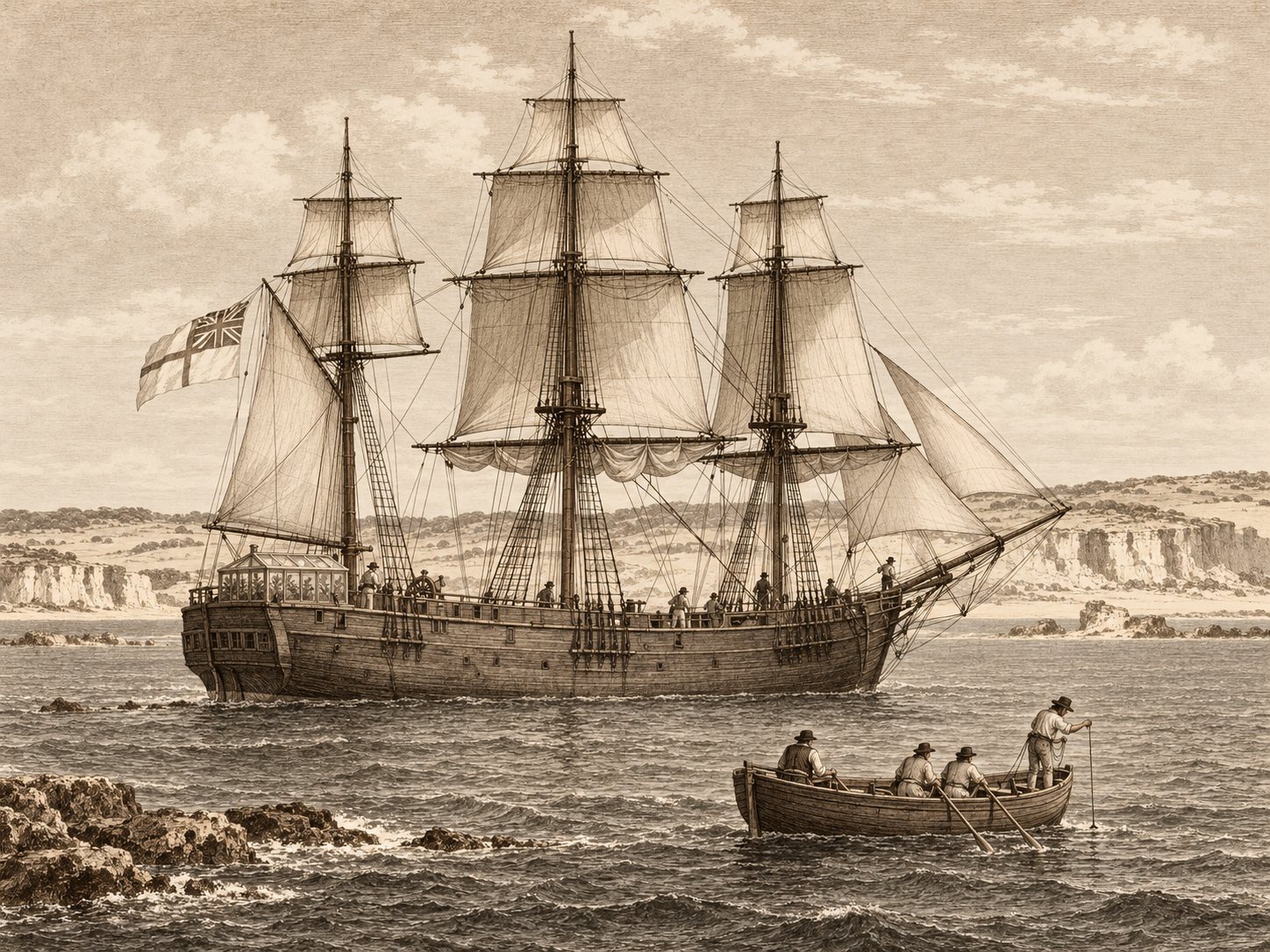
Built at Sunderland in 1795 as the Fram, this collier was bought by the Royal Navy in 1798, became HMS Xenophon, and was renamed Investigator in 1801 for Flinders's voyage. She sailed from Spithead on 18 July 1801 with some eighty men, among them the scientists and artists chosen by Joseph Banks.

From December 1801 to June 1803 she sailed round Australia. But her hull, already worn when she left, rotted as the voyage went on: on her return to Port Jackson she was condemned as unseaworthy. Patched up, she returned to England in 1805 with Robert Brown and Ferdinand Bauer, and was broken up in 1810. Some 260 names date from her voyage.

Lady Nelson

Lady Nelson

Survey brig with sliding keels (1802)

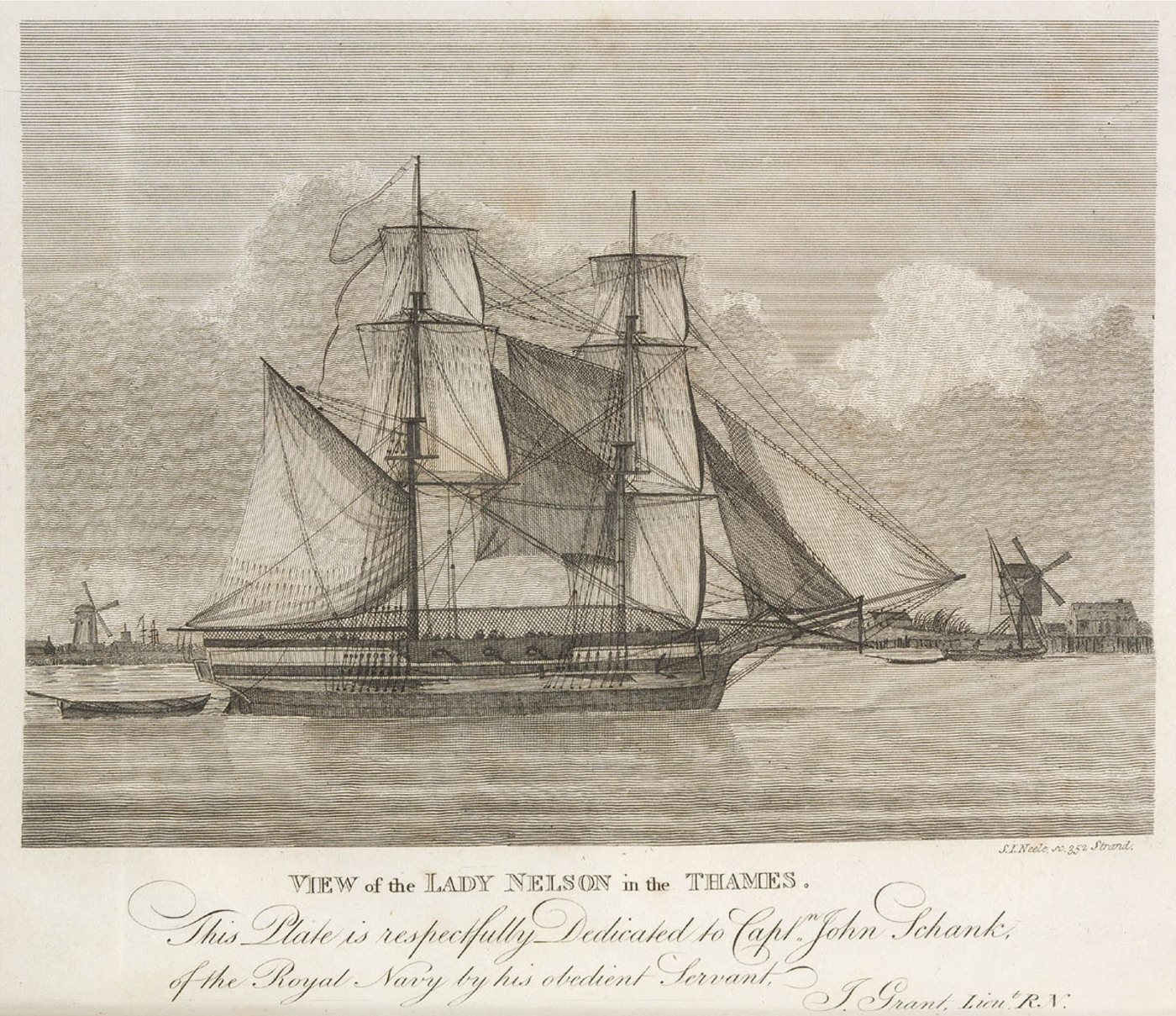
A small brig of some sixty tons, fitted with sliding keels that let her work in shallow water, the Lady Nelson had already surveyed part of Bass Strait; her commander John Murray discovered Port Phillip in January 1802.

In July 1802 she sailed north with the Investigator. But she sailed badly and lost one of her keels on the reefs: in October 1802 Flinders sent her back to Port Jackson.

Porpoise

Porpoise

Royal Navy ship (1803)

A former Spanish prize, HMS Porpoise was sent to New South Wales in 1800. In August 1803 Flinders took passage in her for England, with part of the Investigator's company, in company with the Cato and the Bridgewater.

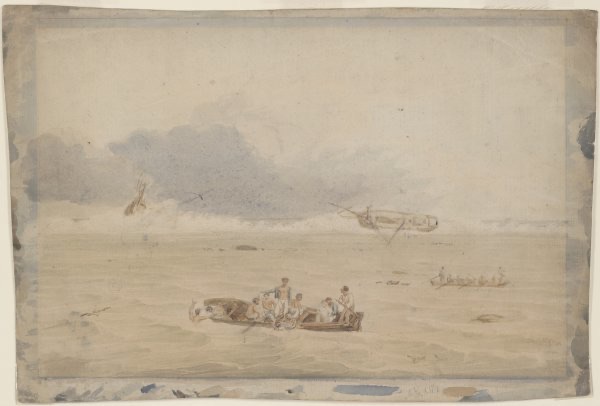
On the night of 17 August 1803 the Porpoise and the Cato struck a reef in the Coral Sea, which Flinders named Wreck Reef. The Bridgewater sailed on without giving help. The castaways settled on a sandbank while Flinders went for help in an open boat.

Cumberland

Cumberland

29-ton schooner (1803)

Built at Sydney in 1801 for the colony's service, the little schooner Cumberland was given to Flinders after the rescue of the Wreck Reef castaways. He left the reef on 11 October 1803 to sail home by Torres Strait and the Indian Ocean.

The ship leaked; Flinders had to put in at the Isle de France (Mauritius), where he arrived on 17 December 1803. Governor Decaen seized the schooner and her papers, and held Flinders prisoner for six and a half years.

Les navires Retour à la page Ressources

Les navires de Matthew Flinders, de 1795 à 1803

Reliance

Reliance

Navire de la Royal Navy, transport de la colonie (1795-1800)

Le Reliance quitte l'Angleterre en février 1795 avec à son bord le nouveau gouverneur de la Nouvelle-Galles du Sud, John Hunter, le chirurgien George Bass et l'aspirant Matthew Flinders. Il arrive à Port Jackson en septembre 1795.

Le navire sert ensuite au ravitaillement de la colonie, notamment au cap de Bonne-Espérance, d'où il rapporte du bétail. C'est à son bord qu'en 1799 naît Trim, le chat qui suivra Flinders dans tous ses voyages. Le Reliance ramène Flinders en Angleterre en 1800.

Tom Thumb

Tom Thumb I et II

Canots de huit pieds (1795-1796)

Le premier Tom Thumb est un canot d'à peine huit pieds de quille (2,4 mètres) que George Bass a apporté d'Angleterre. En octobre 1795, Bass, Flinders et un jeune garçon, William Martin, s'en servent pour explorer Botany Bay et remonter la Georges River.

En mars 1796, sur un second canot à peine plus grand, les trois mêmes longent la côte au sud de Sydney. Pris dans un coup de vent, ils trouvent refuge dans une crique qu'ils nomment Providence Cove, aujourd'hui Wattamolla, et atteignent le lac Illawarra. Cinq noms datent de ces reconnaissances.

Francis

Francis

Goélette de la colonie de Port Jackson (1798)

Petite goélette au service de la colonie, assemblée à Sydney à partir d'éléments apportés d'Angleterre, le Francis est envoyé en février 1798 aux îles Furneaux, au nord-est de la Terre de Van Diemen, pour secourir les naufragés du Sydney Cove et récupérer sa cargaison.

Flinders, embarqué pour l'occasion, profite de l'escale pour lever une partie de l'archipel. Quatorze noms des îles Furneaux viennent de cette campagne. Ses observations sur les courants renforcent l'hypothèse d'un détroit au sud du continent.

Norfolk

Norfolk

Sloop de 25 tonneaux construit à l'île Norfolk (1798-1799)

Construit en 1798 à l'île Norfolk avec le pin de l'île, ce sloop d'environ 25 tonneaux est confié par le gouverneur Hunter à Flinders. D'octobre 1798 à janvier 1799, avec George Bass et huit matelots volontaires, Flinders fait le tour de la Terre de Van Diemen et établit l'existence du détroit de Bass.

En juillet et août 1799, le Norfolk remonte la côte jusqu'à Moreton Bay et Hervey Bay, avec Bungaree à son bord. Près de soixante-quinze noms, en Tasmanie et sur la côte du Queensland, datent des campagnes du Norfolk.

Investigator

Investigator

Ancien charbonnier, sloop de découverte de 334 tonneaux (1801-1803)

Construit à Sunderland en 1795 sous le nom de Fram, ce charbonnier est acheté par la Royal Navy en 1798, devient le HMS Xenophon, puis est rebaptisé Investigator en 1801 pour le voyage de Flinders. Il appareille de Spithead le 18 juillet 1801 avec quelque quatre-vingts hommes, dont les savants et artistes choisis par Joseph Banks.

De décembre 1801 à juin 1803, il fait le tour de l'Australie. Mais sa coque, déjà usée au départ, pourrit au fil du voyage : à son retour à Port Jackson, le navire est déclaré hors d'état de naviguer. Remis en état, il rentre en Angleterre en 1805 avec Robert Brown et Ferdinand Bauer, puis est démoli en 1810. Environ 260 noms datent de son voyage.

Lady Nelson

Lady Nelson

Brick de levé à quilles mobiles (1802)

Petit brick d'une soixantaine de tonneaux, équipé de quilles mobiles qui lui permettent de naviguer en eaux peu profondes, le Lady Nelson a déjà levé une partie du détroit de Bass ; son commandant John Murray découvre Port Phillip en janvier 1802.

En juillet 1802, il accompagne l'Investigator vers le nord. Mais il marche mal, et perd l'une de ses quilles sur les récifs : en octobre 1802, Flinders le renvoie à Port Jackson.

Porpoise

Porpoise

Navire de la Royal Navy (1803)

Ancienne prise espagnole, le HMS Porpoise est envoyé en Nouvelle-Galles du Sud en 1800. En août 1803, Flinders y prend passage pour rentrer en Angleterre, avec une partie de l'équipage de l'Investigator, en compagnie du Cato et du Bridgewater.

Dans la nuit du 17 août 1803, le Porpoise et le Cato se brisent sur un récif de la mer de Corail, que Flinders nomme Wreck Reef. Le Bridgewater poursuit sa route sans porter secours. Les naufragés s'installent sur un banc de sable pendant que Flinders part chercher de l'aide en canot.

Cumberland

Cumberland

Goélette de 29 tonneaux (1803)

Construite à Sydney en 1801 pour le service de la colonie, la petite goélette Cumberland est confiée à Flinders après le sauvetage des naufragés de Wreck Reef. Il quitte le récif le 11 octobre 1803 pour rentrer en Angleterre par le détroit de Torres et l'océan Indien.

Le navire fait eau ; Flinders doit relâcher à l'île de France (Maurice), où il arrive le 17 décembre 1803. Le gouverneur Decaen confisque la goélette et ses papiers, et retient Flinders prisonnier pendant six ans et demi.